

Air abrasion tooth polishing
Air abrasion tooth polishing is a gentle, minimally invasive dental treatment used to remove surface stains, plaque, and early areas of decay without the need for traditional drilling. It is designed to clean and refresh the teeth while preserving natural tooth structure.
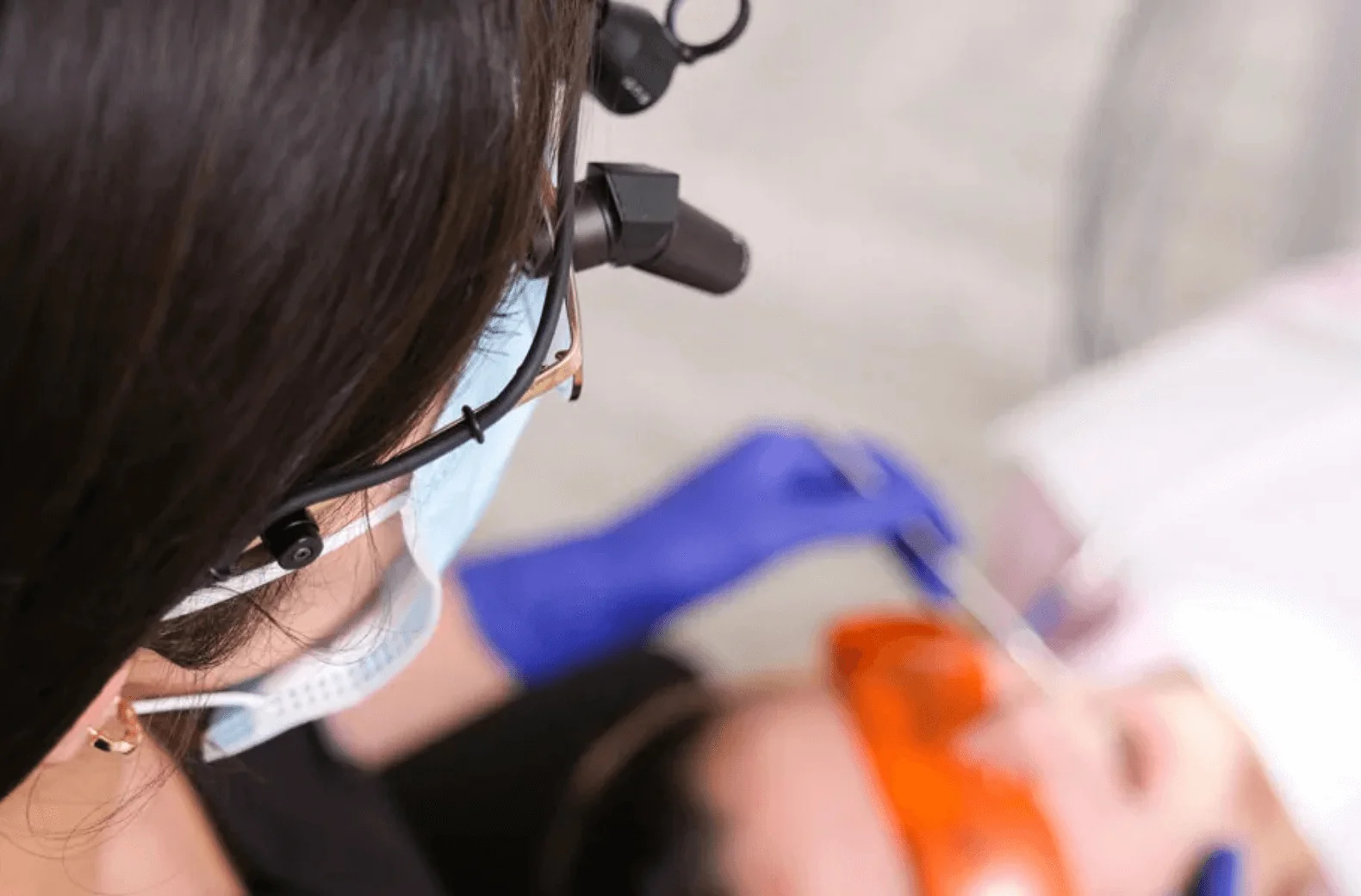
At Harley Private Dental, air abrasion is used as part of a considered approach to preventative and conservative dental care.
What is air abrasion tooth polishing?
Air abrasion uses a controlled stream of fine particles, combined with air and water, to gently clean the surface of the teeth. Unlike traditional dental drills, it does not rely on vibration or pressure, making it a comfortable option for suitable cases.
The technique is often used for stain removal, polishing, and treating very early areas of decay, supporting a conservative approach to dental care.
Air abrasion tooth polishing can leave teeth feeling cleaner and smoother, with visible improvement in surface staining. It supports oral hygiene and preventative care rather than dramatic cosmetic changes.
What can air abrasion be used for?
Air abrasion tooth polishing may be used to:
- Remove surface staining caused by food, drink, or smoking
- Gently clean plaque and debris from tooth surfaces
- Treat early stages of tooth decay
- Prepare teeth for certain restorative treatments
- Support preventative dental care and maintenance
Your dentist will assess whether air abrasion is appropriate for your individual needs.

Who is suitable for air abrasion?
Air abrasion may be suitable if you:
- Have surface staining or plaque build-up
- Are looking for a gentle cleaning or polishing option
- Have early signs of tooth decay
- Prefer a minimally invasive approach
- Experience anxiety around traditional drilling
It may not be suitable for deeper decay, advanced restorative work, or all dental conditions. A consultation is essential to determine suitability and discuss alternatives if needed.
What does the treatment involve?
Air abrasion tooth polishing is usually completed as part of a routine appointment. The process typically includes:
- Assessment
Your dentist will examine your teeth and confirm whether air abrasion is appropriate. - Cleaning and polishing
A controlled stream of fine particles is directed at the tooth surface to remove stains or debris. - Review
The treated areas are checked, and any additional cleaning or advice is provided.
In most cases, the procedure is quick and comfortable and does not require anaesthetic.
What results can I expect?
Air abrasion tooth polishing can leave teeth feeling cleaner and smoother, with visible improvement in surface staining. It supports oral hygiene and preventative care rather than dramatic cosmetic changes.
Results vary depending on lifestyle factors, oral hygiene habits, and the original condition of the teeth.
Aftercare and maintenance
After air abrasion treatment, patients are advised to:
- Maintain good oral hygiene at home
- Attend regular dental check-ups and hygiene appointments
- Be mindful of foods and drinks that may cause staining
- Follow any personalised advice provided by your dentist
No special recovery time is usually required.
Personalised care starts here
A consultation gives us time to understand your needs, explain your options clearly, and plan care that’s right for you.
Spread the cost of your treatment
We offer finance options through Chrysalis Finance to help make treatment costs more manageable. This allows eligible patients to spread the cost of treatment over time with clear, structured repayments. Finance is available at a representative 14.9% APR, subject to status and approval.
Our finance calculator provides an indicative example of how treatment costs may be spread into monthly payments based on a 14.9% APR. Simply enter the estimated treatment cost and select a repayment term to view a guide price. Figures shown are for illustration only. Final repayment amounts will be confirmed following consultation and finance approval.
Using the calculator does not commit you to treatment or finance. It is designed to help you understand your options clearly, without pressure. Full details, including repayment terms and eligibility, will always be explained before you proceed.
Frequently asked questions
Practical guidance to help you understand our care, treatments, and what to expect.
How is air abrasion different from traditional polishing?

Air abrasion is more precise and gentle than some traditional polishing methods. It avoids vibration and pressure, helping preserve healthy tooth structure and improve comfort for suitable patients.It is not a replacement for all dental treatments but is used selectively where appropriate.
Is air abrasion tooth polishing painful?
Air abrasion is generally comfortable and does not involve drilling or vibration. Most patients do not require anaesthetic. Sensitivity can vary from person to person, and your dentist will assess suitability and explain what to expect before treatment.
How often can air abrasion tooth polishing be done?
The frequency depends on your oral health, lifestyle habits, and the reason for treatment. Your dentist will advise on how often air abrasion may be appropriate as part of your ongoing dental care.
I feel anxious about dental treatment — is air abrasion suitable for nervous patients?
Air abrasion is often well suited to patients who feel anxious about traditional dental treatment. It does not involve drilling or vibration, and in many cases can be carried out comfortably without anaesthetic. Your dentist will explain each step before treatment begins and adjust the approach to help you feel at ease throughout the appointment.
Our wonderful team
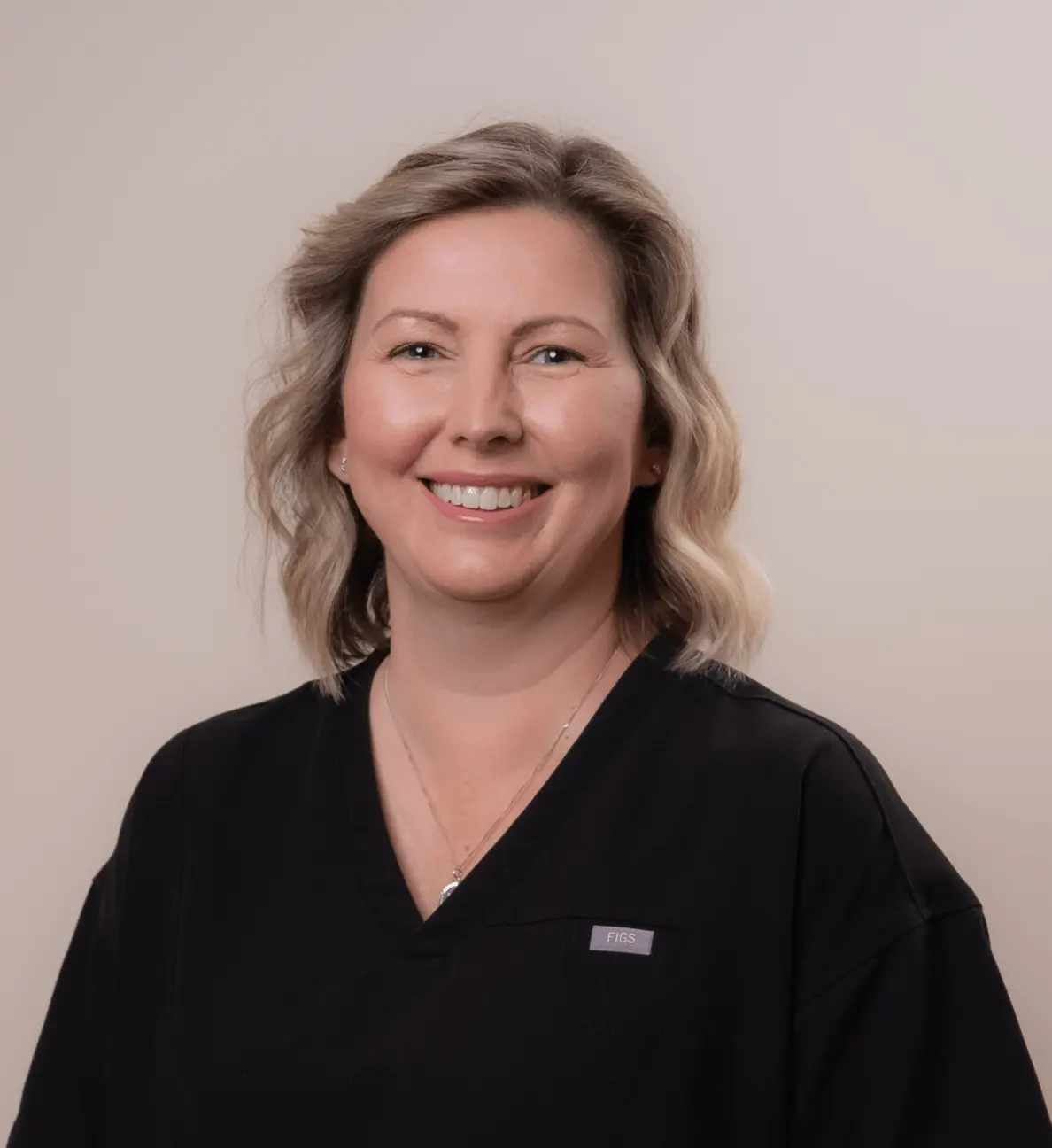
Our team includes experienced general dentists and clinicians with specialist skills. Together we deliver a wide range of treatments under one roof.

Our other treatments

Cosmetic dentistry
Cosmetic dentistry focuses on improving the appearance of teeth while maintaining oral health and function. Treatments may include whitening, composite bonding, veneers, and aesthetic restorations designed to create natural-looking, balanced results.

Medical aesthetics & wellness
Facial aesthetic treatments are designed to complement dental care by supporting facial balance and skin quality. Non-surgical options may include wrinkle management and dermal fillers, delivered with clinical precision and patient safety in mind.