

Tooth extractions
A tooth extraction is sometimes necessary when a tooth cannot be restored or is causing ongoing problems. We understand that the idea of having a tooth removed can feel daunting, particularly for nervous patients. At Harley Private Dental, extractions are approached with care, clear communication, and a focus on comfort at every stage.
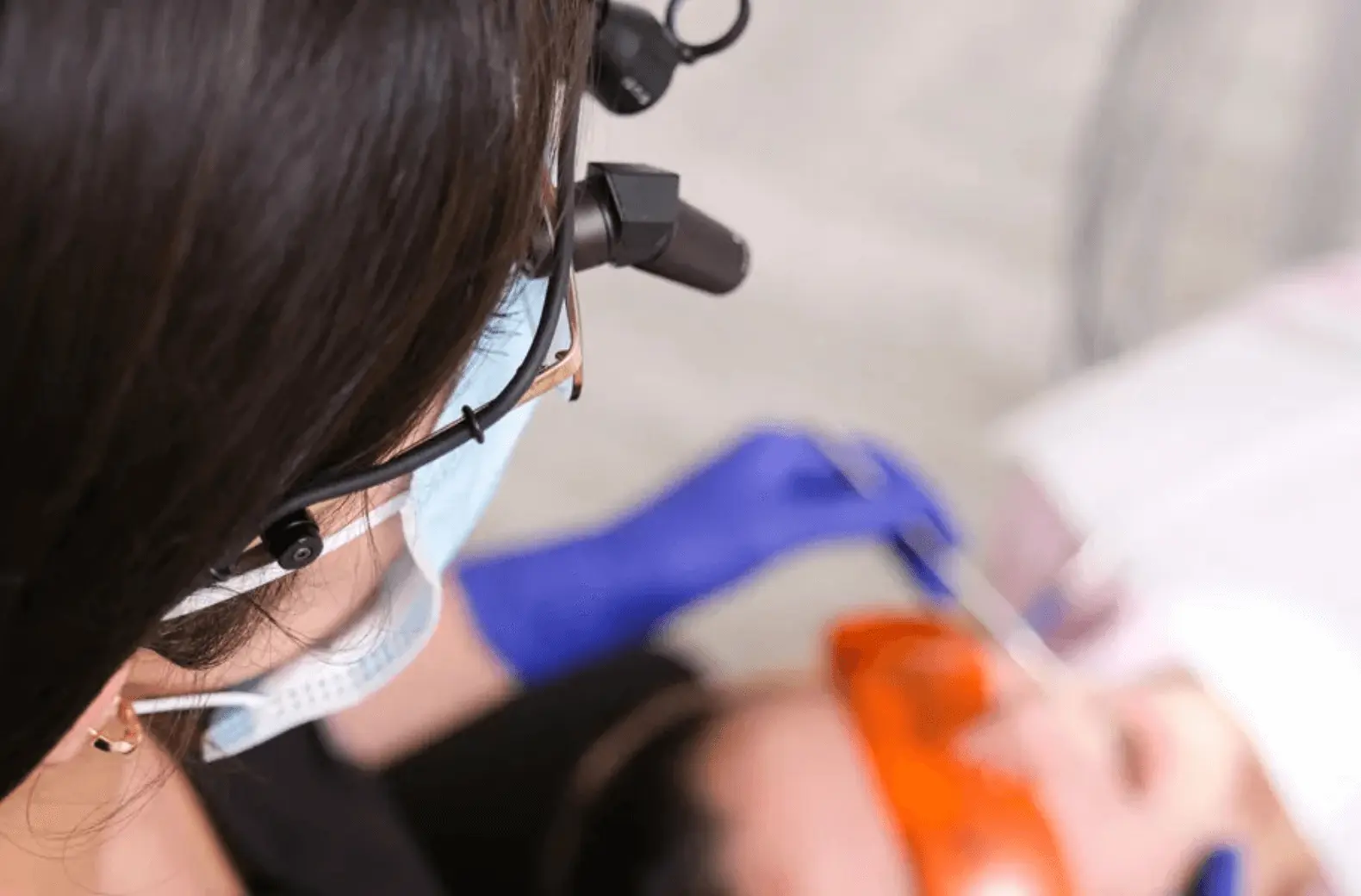
Our priority is to ensure you feel informed, supported, and at ease before, during, and after treatment.
What is a tooth extraction?
A tooth extraction involves the careful removal of a tooth from the jaw. This may be recommended when a tooth is damaged, infected, or no longer able to support oral health.
Extractions are carried out gently and methodically, with steps taken to minimise discomfort and support proper healing.
When might a tooth extraction be required?
A tooth extraction may be recommended if:
- A tooth is severely decayed or damaged
- Infection has affected the surrounding bone or gum
- A tooth is fractured beyond repair
- There is advanced gum disease
- A tooth is overcrowded or causing alignment issues
- A wisdom tooth is causing pain or recurrent problems
Wherever possible, we explore alternatives to extraction. Removal is only recommended when it is the most appropriate option for your oral health.
We understand dental anxiety
It’s completely normal to feel anxious about tooth extractions. Many patients worry about pain, uncertainty, or previous negative experiences.
We take a patient-first approach by:
- Taking time to explain why extraction is recommended
- Talking you through the procedure step by step
- Using local anaesthetic to ensure comfort
- Working at a pace that suits you
- Checking in throughout the appointment
You are always encouraged to ask questions or let us know how you’re feeling at any point.
Who is suitable for a tooth extraction?
Tooth extractions are recommended based on clinical need rather than preference. Suitability depends on:
- The condition of the tooth
- Overall oral and general health
- Presence of infection or pain
- Future treatment planning
A consultation allows us to assess your situation carefully and explain next steps clearly.
What does the extraction process involve?
- Assessment and discussion
We examine the tooth, review X-rays if needed, and explain why extraction is recommended. - Comfort-focused treatment
Local anaesthetic is used to numb the area thoroughly. The tooth is removed carefully using controlled techniques. - Aftercare guidance
Once complete, we explain how to care for the area and what to expect during healing.
The procedure is usually quicker and more comfortable than many patients expect.
What can I expect after an extraction?
After an extraction, it’s normal to experience mild discomfort or swelling for a short time. This typically settles as healing progresses.
Patients are given clear aftercare advice to support recovery, including:
- How to manage discomfort
- What to eat and drink
- How to keep the area clean
- When to contact the clinic
Follow-up appointments may be arranged if required.
Replacing a missing tooth
If a tooth has been removed, we can discuss replacement options once healing has taken place. These may include:
- Dental implants
- Dental bridges
- Dentures
We’ll explain suitable options based on your individual needs and preferences.
Is a tooth extraction right for me?
Tooth extractions are never recommended lightly. A consultation allows us to assess your tooth, explore alternatives where possible, and ensure you feel comfortable and informed before making any decisions.
Personalised care starts here
A consultation gives us time to understand your needs, explain your options clearly, and plan care that’s right for you.
Spread the cost of your treatment
We offer finance options through Chrysalis Finance to help make treatment costs more manageable. This allows eligible patients to spread the cost of treatment over time with clear, structured repayments. Finance is available at a representative 14.9% APR, subject to status and approval.
Our finance calculator provides an indicative example of how treatment costs may be spread into monthly payments based on a 14.9% APR. Simply enter the estimated treatment cost and select a repayment term to view a guide price. Figures shown are for illustration only. Final repayment amounts will be confirmed following consultation and finance approval.
Using the calculator does not commit you to treatment or finance. It is designed to help you understand your options clearly, without pressure. Full details, including repayment terms and eligibility, will always be explained before you proceed.
Frequently asked questions
Practical guidance to help you understand our care, treatments, and what to expect.
Will a tooth extraction be painful?

The procedure itself is usually comfortable due to local anaesthetic. Some mild discomfort afterwards is normal and can usually be managed with recommended pain relief.
I’m very nervous — can you help?
Yes. We regularly care for nervous patients and take a calm, supportive approach. We’ll explain everything clearly and work at a pace that helps you feel at ease.
How long does healing take?
Initial healing usually takes a few days, with full healing taking longer depending on the tooth and individual factors. We’ll explain what to expect and when normal activities can be resumed.
What should I avoid after an extraction?
You may be advised to avoid smoking, alcohol, strenuous activity, and certain foods for a short period. Clear aftercare instructions will be provided before you leave the clinic.
Our wonderful team
Our team includes experienced general dentists and clinicians with specialist skills. Together we deliver a wide range of treatments under one roof.



Our other treatments

General dentistry
General dentistry covers routine and preventative dental care, including examinations, hygiene appointments, fillings, crowns, and monitoring of oral health. The aim is to maintain healthy teeth and gums, identify issues early, and reduce the need for more complex treatment.

Dental implants
Dental implants are a long-term solution for replacing missing teeth. An implant is placed into the jawbone to support a crown, bridge, or denture, restoring function and appearance in a way that closely mimics a natural tooth.