A Brief Guide to Crowns and Bridges
This article provides a clear overview of dental crowns and bridges and how they are used to repair and replace damaged or missing teeth. It begins by outlining the everyday challenges tooth loss or severe damage can cause, including reduced confidence, difficulty chewing, speech problems, and an increased risk of infection. Dental crowns are described as custom-made restorations that completely cover a damaged tooth, protect it from further harm, or sit on top of dental implants. They can also be used to support dental bridges. Designed to be strong and lifelike, crowns blend seamlessly with natural teeth. Dental bridges are used to replace one or more missing teeth by filling the gap with replacement teeth supported by neighbouring natural teeth. The article explains the different types of bridges, including traditional bridges, cantilever bridges, and Maryland bridges, highlighting that the most suitable option depends on the patient’s individual needs and oral health. The benefits of crowns and bridges include restoring the natural look of the smile, improving confidence, making eating more comfortable, and preventing further dental issues such as dental drift, decay, and gum disease. The article also covers how to care for crowns and bridges, emphasising the importance of good oral hygiene, regular dental checkups, and avoiding excessive force on replacement teeth. With proper care, crowns and bridges can last at least ten years, making them a reliable long-term solution. Overall, the article positions crowns and bridges as effective, natural-looking restorations that protect oral health and improve quality of life.


A Brief Guide to Crowns and Bridges
Missing or severely damaged teeth can have a significant impact on your life. First, there are the changes to the appearance of your smile. Living with gaps and broken teeth can leave you feeling self-conscious.
Then there are the problems you’ll experience with food. Chewing and biting become difficult, and you may need to choose your meals carefully. Also, your dental problems might affect your speaking ability and leave you open to infection.
Crowns and bridges are great options for repairing a damaged smile. But what are they?
Here’s a brief guide exploring everything you need to know about using crowns and bridges to restore teeth.
What Are Dental Crowns?
Crowns can either completely cover a badly damaged tooth to restore its appearance and protect it from further damage, or we can place them on top of dental implants to complete a full restoration. We also use crowns to hold dental bridges in place.
The crowns we place are custom-made for you. They’re durable and lifelike. Once they’re in position, nobody will know they’re not the real thing!
What Are Dental Bridges?
If you’ve lost one or more of your teeth, a bridge can fill the gap. There are several types of bridges; however, they all consist of replacement teeth supported by your remaining natural teeth.
We’ll design and craft your replacement teeth to look perfectly natural. They’ll be bonded to crowns that cap healthy neighbouring teeth. Once placed, your bridge will seamlessly match your smile.
What Are the Different Types of Dental Bridges?
Traditional dental bridges include a replacement tooth attached to the teeth on either side. Your supporting natural teeth are both capped with crowns. Alternatively, you could have a cantilever bridge. These are supported by a single crown.
Maryland bridges are made of porcelain fused to a metal frame. The metal framework is bonded to your healthy teeth on either side.
The different bridge options each have their benefits. During your initial consultation, we’ll assess your teeth to determine which type of bridge we should use.
The Benefits of Crowns and Bridges
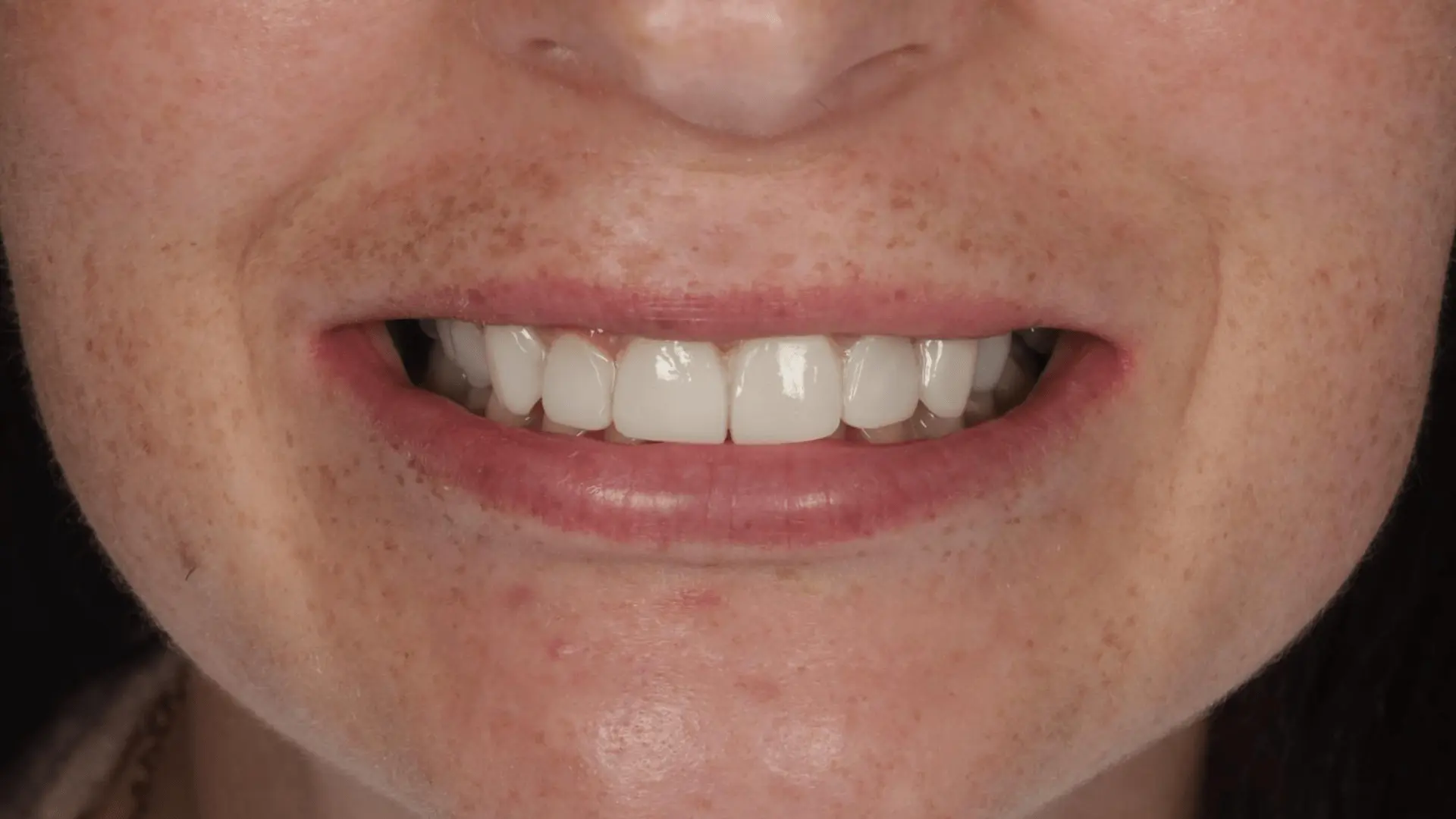
Crowns and bridges restore the natural appearance of your teeth. We use natural-looking porcelain, and all our restorations are crafted to match the size, shape, and colour of your natural teeth. The way your crown or bridge looks will help rebuild your self-esteem.
Restoring your teeth makes eating easier. When you have a crown or bridge, you can chew confidently and enjoy mealtimes again.
Replacing or repairing missing and damaged teeth will help prevent further potential health issues. Gaps in your teeth leave you open to dental drift. This is where your neighbouring teeth move gradually into the space, leaving you with a crooked or gappy smile. Additionally, gaps can increase the risk of tooth decay or gum disease.
Caring for Crowns and Bridges
Crowns and bridges are durable, and with the right amount of care and attention, there’s no reason why they shouldn’t last for at least ten years. But, like your natural teeth, it’s important to look after them.
Regular dental hygiene is at the heart of good care. Brushing your teeth thoroughly twice a day with fluoride toothpaste, as well as using dental floss and mouthwash, are all important steps in caring for your natural and replacement teeth. Bacteria and food debris can build up around crowns and bridges, which could cause problems for your gums and natural teeth.
We also suggest having routine dental checkups to ensure your smile is always healthy. During these appointments, we’ll look at your replacement teeth and check for wear and tear or problems that could affect them.
Finally, remember that although they are durable, your replacement teeth aren’t indestructible. Avoid biting or chewing anything too hard, and your new smile will last for many years to come.
Crowns and Bridges at Harley Private Dental
At Harley Private Dental, we can restore the look and function of your teeth using beautifully crafted crowns and bridges. If you have missing or damaged teeth, call us today to schedule a consultation.