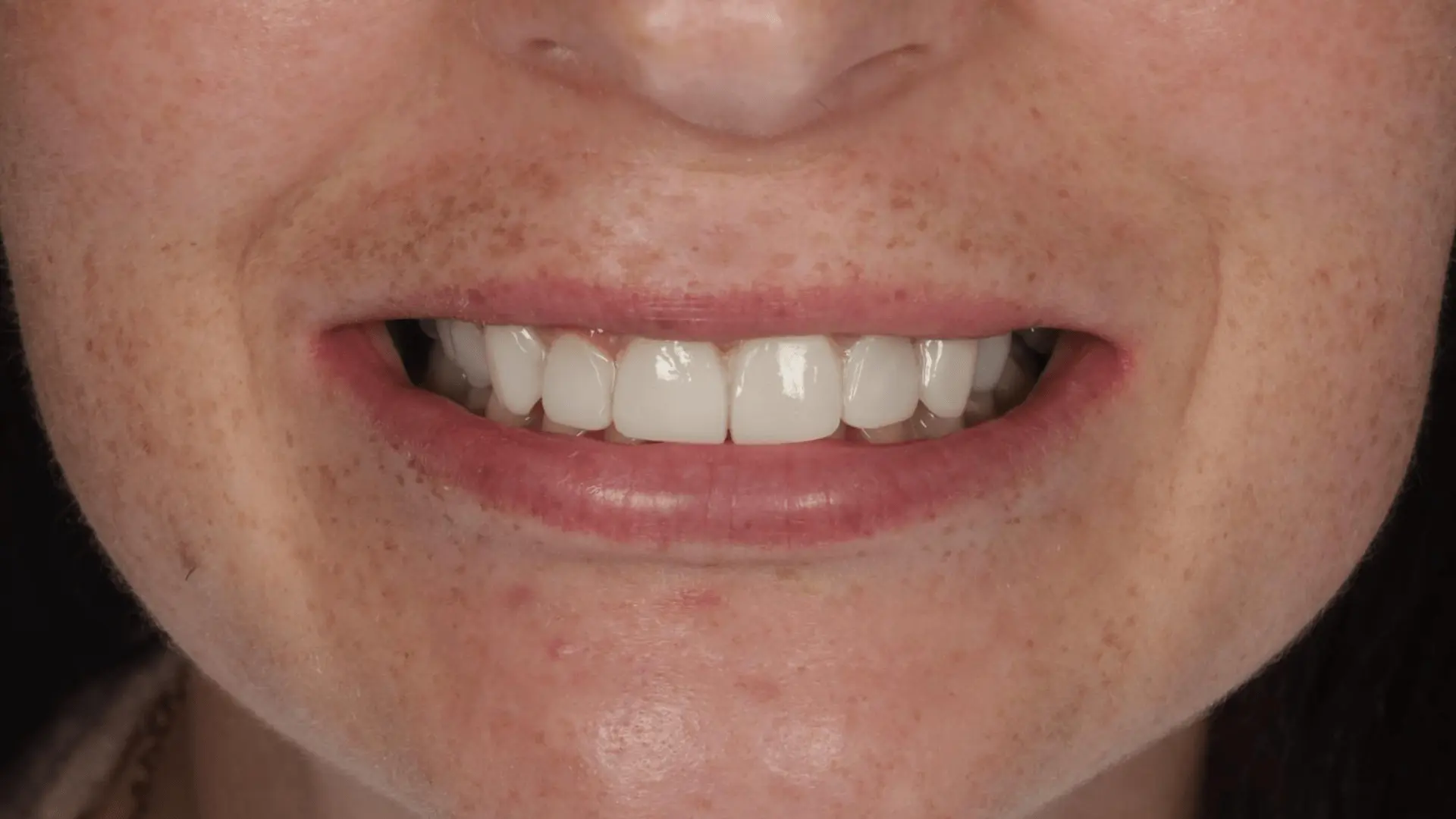
Composite bonding vs veneers: What's the difference?
Composite bonding is a popular cosmetic dental procedure that involves the application of a tooth-coloured resin material to the teeth. This material is directly applied and sculpted on the tooth, allowing the dentist to reshape or recolour the tooth to improve its appearance. The process is relatively quick and minimally invasive, making it a favoured choice for many individuals looking to enhance their smiles without undergoing extensive dental work.


Understanding Composite Bonding
Composite bonding is a popular cosmetic dental procedure that involves the application of a tooth-coloured resin material to the teeth. This material is directly applied and sculpted on the tooth, allowing the dentist to reshape or recolour the tooth to improve its appearance. The process is relatively quick and minimally invasive, making it a favoured choice for many individuals looking to enhance their smiles without undergoing extensive dental work.
The procedure begins with the dentist selecting a shade of composite resin that closely matches the patient's natural tooth colour. The tooth is then lightly etched to create a rough surface, which helps the resin adhere more effectively. Next, the resin is applied in layers, molded to the desired shape, and hardened using a special light. Once the resin has hardened, the dentist will trim, shape, and polish it to match the sheen of the surrounding teeth.
One of the significant advantages of composite bonding is its versatility. It can be used to repair chipped or cracked teeth, close gaps between teeth, and even make teeth appear longer. Additionally, because the material blends seamlessly with the natural teeth, the results are often very natural-looking. Composite bonding is also reversible, meaning that if the patient wishes to make changes in the future, the resin can be removed or altered without damaging the underlying tooth structure.
Key Differences Between Composite Bonding and Veneers
While both composite bonding and veneers aim to improve the appearance of teeth, there are several key differences between the two procedures. One of the primary distinctions lies in the materials used. Composite bonding utilises a tooth-coloured resin, whereas veneers are typically made from porcelain or composite resin. This difference in materials can influence the durability, appearance, and cost of the treatments.
Another notable difference is the extent of tooth preparation required. Composite bonding is a minimally invasive procedure that usually does not require the removal of any tooth structure. In contrast, getting veneers involves removing a thin layer of enamel from the front surface of the teeth to accommodate the veneers. This makes veneers a more permanent alteration to the natural teeth compared to composite bonding.
The application process for each treatment also varies. Composite bonding is performed directly on the tooth, with the dentist sculpting the resin material in real-time. Veneers, on the other hand, are custom-made in a dental laboratory based on impressions of the patient's teeth. This means that veneers often require multiple visits to the dentist, whereas composite bonding can generally be completed in a single appointment.
Benefits of Composite Bonding
Composite bonding offers several benefits that make it an attractive option for individuals seeking to enhance their smiles. One of the most significant advantages is the speed of the procedure. Because the resin material is applied directly to the tooth and hardened in place, the entire process can often be completed in just one visit to the dentist. This makes composite bonding an ideal choice for those looking for a quick and effective cosmetic solution.
Another benefit of composite bonding is its minimally invasive nature. Unlike other cosmetic dental treatments that may require extensive tooth preparation or alteration, composite bonding typically involves little to no removal of the natural tooth structure. This means that the procedure is generally painless and does not require anesthesia. Additionally, because the natural tooth is preserved, the process is reversible, allowing for future adjustments if desired.
The cost of composite bonding is also relatively affordable compared to other cosmetic dental procedures. While the exact price can vary depending on the extent of the work needed and the dentist's expertise, composite bonding is generally less expensive than veneers or crowns. This makes it a more accessible option for individuals looking to improve their smiles without breaking the bank.
Exploring Dental Veneers
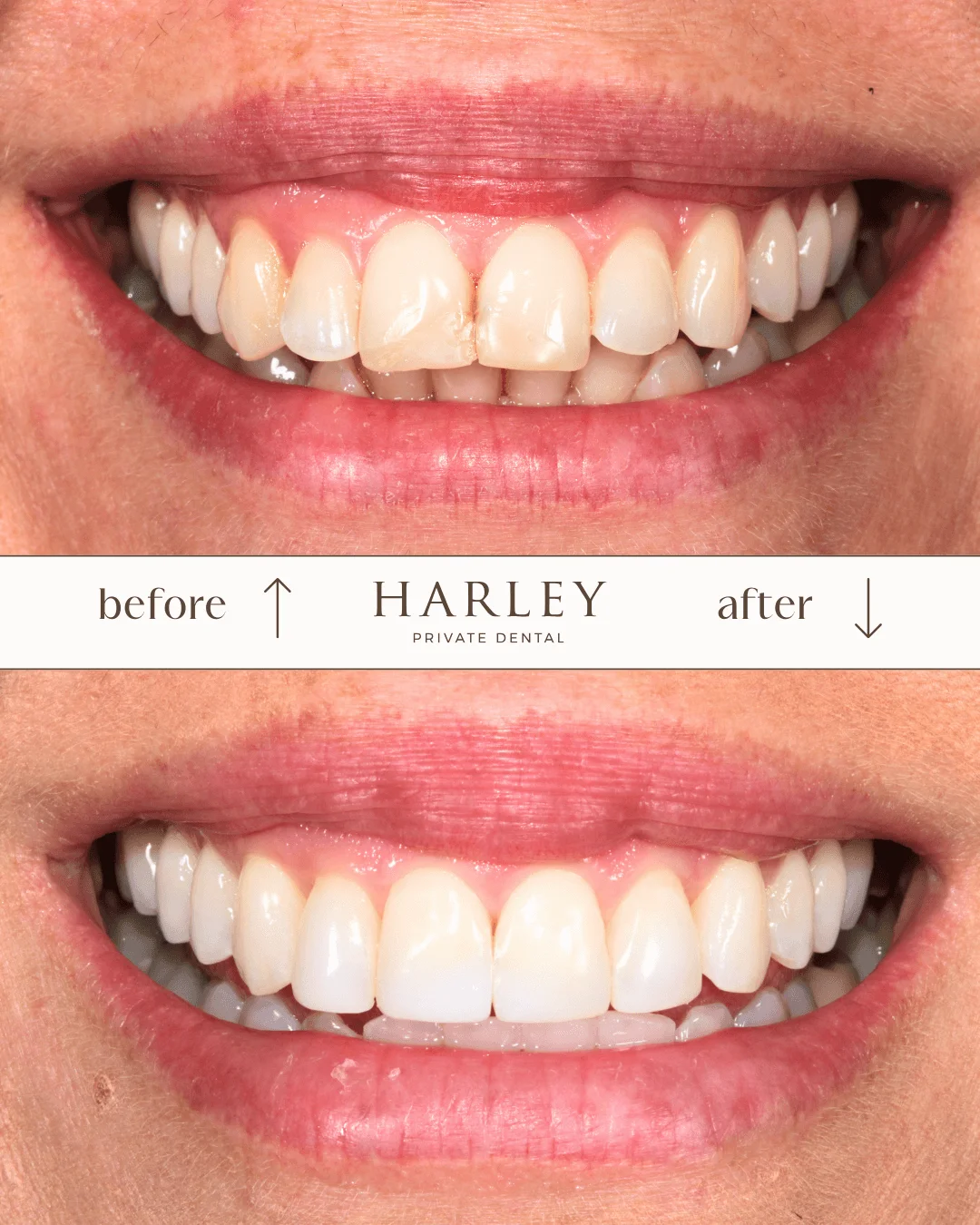
Dental veneers are another popular cosmetic dental solution designed to improve the appearance of teeth. Veneers are thin, custom-made shells crafted from porcelain or composite resin that are bonded to the front surface of the teeth. They are an excellent option for individuals looking to address issues such as discoloration, minor misalignment, or irregularly shaped teeth.
The process of getting veneers typically involves two to three visits to the dentist. During the initial consultation, the dentist will evaluate the patient's teeth and discuss their aesthetic goals. If veneers are deemed suitable, the dentist will prepare the teeth by removing a small amount of enamel from the front surface. This step is crucial as it ensures that the veneers will not appear bulky and will fit snugly against the teeth.
Once the teeth are prepared, impressions are taken and sent to a dental laboratory where the veneers are custom-made to fit the patient's teeth precisely. During the final appointment, the dentist will place the veneers on the teeth to check the fit and colour. Adjustments may be made before the veneers are permanently bonded to the teeth using a special adhesive. The result is a beautifully enhanced smile that looks both natural and aesthetically pleasing.
Advantages of Dental Veneers
Dental veneers offer a range of advantages that make them a preferred choice for many individuals seeking a long-lasting and aesthetically pleasing solution to dental imperfections. One of the most significant benefits of veneers is their ability to provide a dramatic transformation in the appearance of the teeth. Because veneers are custom-made to fit each patient's teeth precisely, they can address a wide variety of cosmetic issues, including discoloration, gaps, and minor misalignments.
The material used for veneers, particularly porcelain, is highly durable and resistant to staining. This means that veneers can maintain their beautiful appearance for many years with proper care. Porcelain veneers, in particular, are known for their natural-looking translucency, which closely mimics the appearance of natural tooth enamel. This makes them an excellent choice for individuals seeking a seamless and natural-looking enhancement to their smile.
Another advantage of veneers is their longevity. While the initial cost of veneers may be higher than other cosmetic dental treatments, their durability and long-lasting results can make them a cost-effective option in the long run. With proper care, veneers can last anywhere from 10 to 20 years or more, providing a lasting solution to dental imperfections and helping individuals maintain a confident and radiant smile.
Cost Comparison: Composite Bonding vs Veneers
When considering cosmetic dental treatments, cost is often a significant factor in the decision-making process. Composite bonding and veneers differ in their pricing, with each option offering distinct cost benefits and considerations. Understanding the financial aspects of each treatment can help individuals make an informed decision based on their budget and aesthetic goals.
Composite bonding is generally the more affordable option between the two treatments. The cost of composite bonding can vary depending on the extent of the work needed, the dentist's expertise, and the geographical location of the dental practice. On average, the cost of composite bonding per tooth ranges from $300 to $600. Because the procedure is less invasive and can often be completed in a single visit, it tends to be more cost-effective for patients looking for a quick and budget-friendly solution.
In contrast, dental veneers, particularly porcelain veneers, tend to be more expensive. The cost of veneers can vary widely based on factors such as the material used, the complexity of the case, and the dentist's experience. On average, the cost of porcelain veneers per tooth ranges from $800 to $2,500. While the initial investment for veneers is higher, their durability and long-lasting results can make them a worthwhile investment for individuals seeking a long-term solution to dental imperfections.

Durability and Longevity: Which Lasts Longer?
When choosing between composite bonding and veneers, durability and longevity are crucial factors to consider. Understanding how long each treatment is expected to last and how well they withstand daily wear and tear can help individuals make an informed decision based on their needs and lifestyle.
Composite bonding is known for its versatility and ease of application, but it is generally less durable than veneers. The resin material used in composite bonding is susceptible to chipping, staining, and wear over time. On average, composite bonding can last anywhere from 4 to 8 years, depending on factors such as oral hygiene practices, diet, and habits such as teeth grinding or nail-biting. While composite bonding is a more affordable option, it may require more frequent touch-ups or replacements compared to veneers.
Veneers, particularly porcelain veneers, are renowned for their durability and long-lasting results. Porcelain is a strong and stain-resistant material that can withstand daily wear and tear effectively. With proper care and maintenance, porcelain veneers can last anywhere from 10 to 20 years or more. Composite resin veneers, while less durable than porcelain, still offer a longer lifespan compared to composite bonding, typically lasting around 5 to 7 years. The longevity of veneers makes them a cost-effective option for individuals seeking a long-term solution for their dental imperfections.
Choosing the Right Option for Your Smile
Deciding between composite bonding and veneers requires careful consideration of various factors, including the specific dental concerns, budget, and desired outcome. Consulting with a qualified cosmetic dentist can provide valuable insights and help individuals determine the most suitable option for their unique needs.
For individuals seeking a quick and affordable solution to minor cosmetic issues, composite bonding may be the ideal choice. The procedure is minimally invasive, can often be completed in a single visit, and offers natural-looking results. Composite bonding is particularly effective for addressing issues such as chipped or cracked teeth, small gaps, and minor discoloration. Additionally, because the procedure is reversible, patients have the flexibility to make adjustments in the future if needed.
On the other hand, for those looking for a more comprehensive and long-lasting solution to dental imperfections, veneers may be the better option. Veneers are highly effective in transforming the appearance of teeth, addressing a wide range of cosmetic concerns, and providing a durable and natural-looking result. While the initial cost and time investment for veneers are higher, their longevity and ability to deliver a dramatic smile makeover make them a worthwhile consideration for individuals seeking a significant enhancement to their smile.
Conclusion: Making an Informed Decision
Ultimately, the choice between composite bonding and veneers comes down to individual preferences, dental needs, and budget considerations. Both treatments offer unique benefits and can effectively enhance the appearance of teeth, but understanding their differences is essential to making an informed decision.
Composite bonding is an excellent option for those seeking a quick, minimally invasive, and cost-effective solution to minor cosmetic issues. Its versatility and natural-looking results make it a popular choice for many individuals. However, it's important to keep in mind that composite bonding may require more frequent maintenance and touch-ups compared to veneers.
Veneers, particularly porcelain veneers, provide a more comprehensive and long-lasting solution for individuals looking to address a wide range of dental imperfections. While the initial investment is higher, the durability and stunning results of veneers make them a worthwhile consideration for those seeking a dramatic smile transformation. Consulting with a qualified cosmetic dentist can help individuals weigh the pros and cons of each option and determine the best choice for their unique needs and goals.