How Much Do Dental Implants Cost on Average in the UK? (2026 Guide)
Dental implants are widely regarded as the gold standard for replacing missing teeth—but one of the first questions most patients ask is: how much do dental implants cost in the UK?


How Much Do Dental Implants Cost in the UK?
Dental implants are widely considered the gold standard for replacing missing teeth—but one of the most common questions patients ask is:
“How much do dental implants cost in the UK?”
The short answer:
The average cost of a single dental implant in the UK ranges from £1,000 to £3,500.
However, here at Harley Private our dental implants start at £1,195 and the true cost at other providers depends on several factors, including your individual case, the clinic you choose, and whether additional procedures are required.
In this guide, we’ll break down everything you need to know—from pricing and what’s included to ways to make treatment more affordable.
What Is the Average Cost of Dental Implants in the UK?
On average, UK dental implant costs fall into the following ranges:
- Single dental implant: £2,000 – £3,500 (Harley Dental Implants start at £1,195)
- Implant + crown package: £2,500 – £4,500 (from £1195 at Harley Private Dental)
- Full mouth implants (All-on-4 / All-on-6): £10,000 – £30,000 per arch (Harley Priavte Dental does Single arches from £8,995)
At premium clinics in London (such as Harley Street practices), prices may sit toward the higher end due to specialist expertise, advanced technology, and high-quality materials.
What’s Included in the Cost of a Dental Implant?
When comparing prices, it’s important to understand what you’re actually paying for.
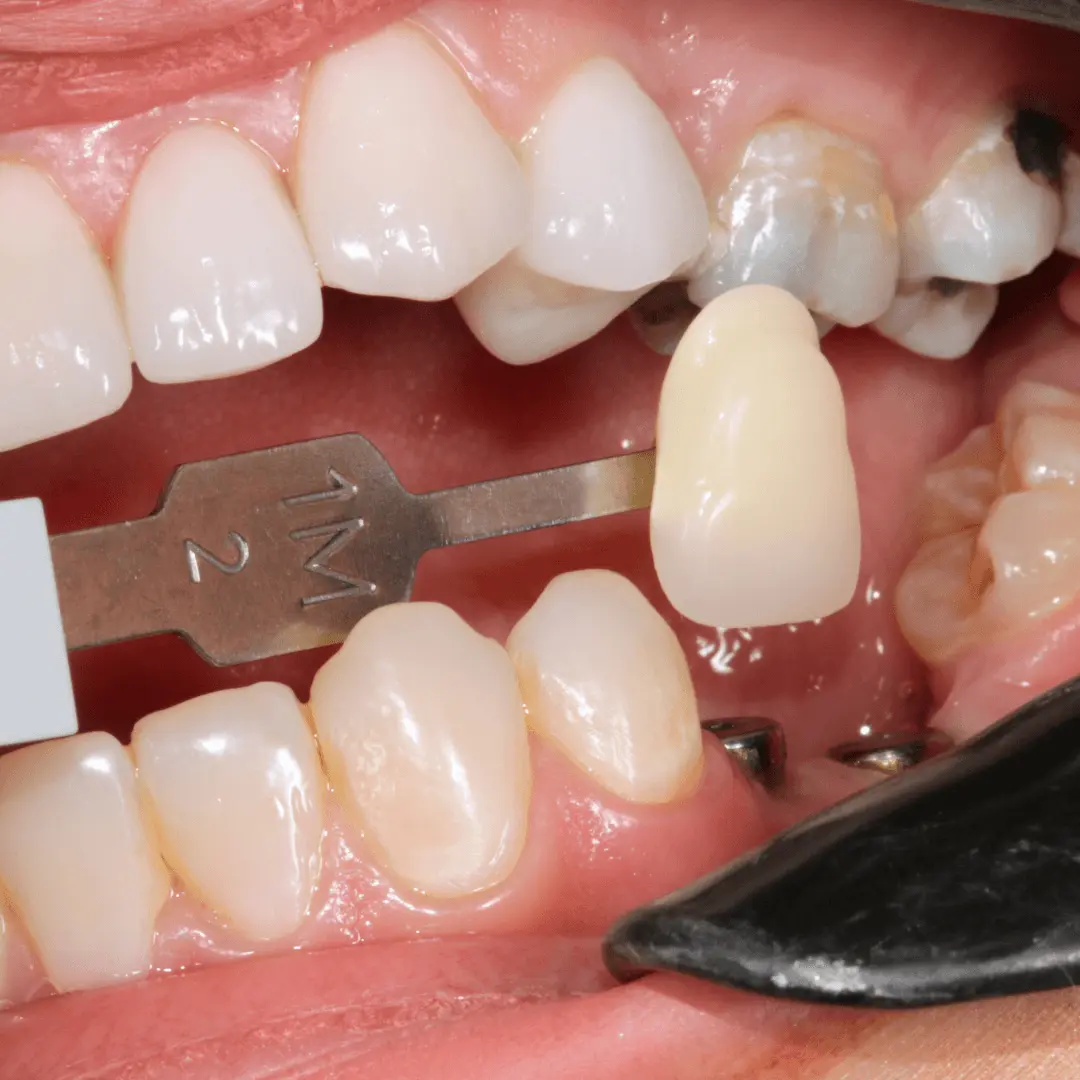
A complete dental implant treatment typically includes:
1. Consultation and Assessment
- Clinical examination
- Digital X-rays or 3D CBCT scan
- Personalised treatment plan
2. Implant Placement Surgery
- Titanium implant inserted into the jawbone
- Performed under local anaesthetic (or sedation if needed)
3. Healing Period (Osseointegration)
- Implant fuses with the bone over 3–6 months
4. Abutment Placement
- Connector piece added to support the crown
5. Final Crown
- Custom-made porcelain or ceramic tooth
Important to note: Some clinics advertise low prices but exclude key elements like scans or crowns. Always check what’s included.
Why Do Dental Implant Costs Vary So Much?
Dental implant pricing isn’t fixed because every patient’s case is different. Here are the main factors that influence cost:
1. Number of Implants Needed
Replacing a single tooth is far less expensive than restoring a full arch.
2. Bone Quality and Quantity
If your jawbone isn’t strong enough, you may need:
- Bone grafting (£300 – £2,500)
- Sinus lift (£1,000 – £3,000)
3. Type of Implant System Used
Premium implant brands (e.g. Straumann, Nobel Biocare) cost more but offer:
- Better long-term success rates
- Stronger materials
- Extensive clinical research
4. Experience of the Dentist
Highly experienced implant dentists or specialists often charge more—but deliver:
- Higher success rates
- Better aesthetics
- Reduced risk of complications
5. Location of the Clinic
Clinics in central London (like Harley Street) typically have higher fees due to:
- Specialist expertise
- Advanced equipment
- Premium patient care
Are Dental Implants Worth the Cost?
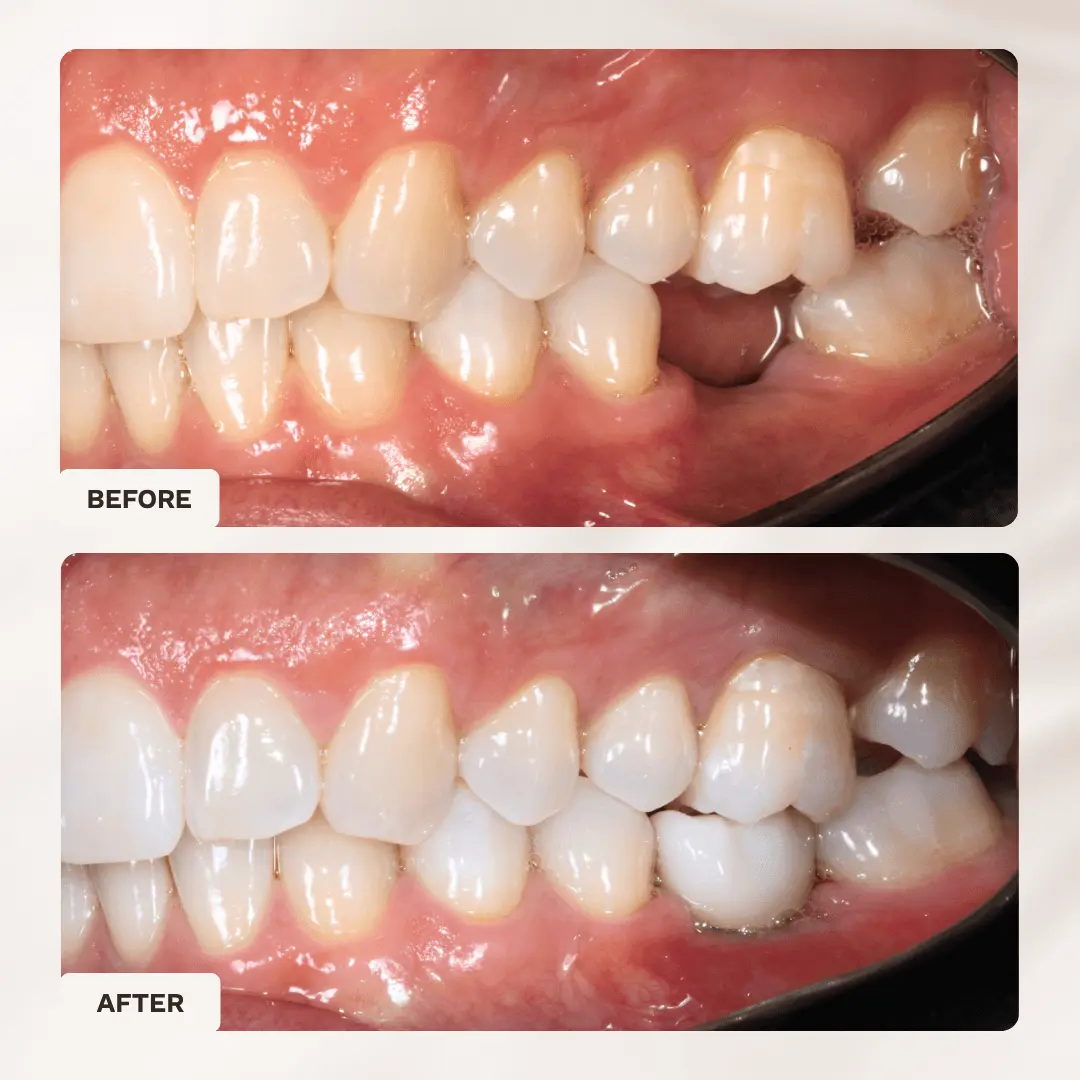
While implants may seem expensive upfront, they are often the most cost-effective long-term solution.
Benefits of Dental Implants:
✔ Permanent solution (can last 20+ years)
✔ Look and feel like natural teeth
✔ Prevent bone loss in the jaw
✔ No impact on surrounding teeth (unlike bridges)
✔ Improved confidence and oral health
Compared to dentures or bridges—which may need replacing every 5–10 years—implants can actually save money over time.
Dental Implants vs Other Tooth Replacement Options
When comparing tooth replacement options, costs and longevity can vary significantly. Dental implants typically range from £2,000 to £3,500 and can last 20+ years, offering a permanent and natural-looking solution, though they come with a higher upfront cost. Dental bridges are a more affordable alternative at £800 to £2,000, lasting around 5–15 years, but they often require adjacent healthy teeth to be altered. Dentures are usually the cheapest option, costing between £300 and £2,500 with a lifespan of 5–10 years, although they can feel less stable and less natural. The key takeaway is that while implants have the highest initial cost, they often provide the best long-term value.
Can You Get Dental Implants on the NHS?
In most cases, dental implants are not available on the NHS.
They are only provided in rare situations, such as:
- Severe trauma
- Medical conditions affecting oral function
For the majority of patients, implants are considered a private treatment.
Ways to Make Dental Implants More Affordable
If cost is a concern, there are several ways to spread the expense:
1. Payment Plans
Many private clinics offer:
- 0% finance options
- Monthly payment plans
2. Phased Treatment
Treatment can often be split into stages, allowing you to pay gradually.
3. Free Consultations
Some clinics offer complimentary consultations or second opinions.
4. Preventative Care
Maintaining good oral health reduces the need for additional procedures (and costs).
How Long Do Dental Implants Last?
One of the biggest advantages of dental implants is durability.
- Implant (titanium post): Can last a lifetime
- Crown: Typically lasts 10–15 years before replacement
With proper care (brushing, flossing, regular check-ups), implants have a success rate of over 95%.
Are There Any Hidden Costs?
Transparency is key when choosing a clinic.
Potential additional costs may include:
- Bone grafting or sinus lift
- Sedation dentistry
- Temporary teeth
- Aftercare appointments
👉 Always request a full written treatment plan before starting.
Choosing the Right Dental Implant Clinic
When selecting a provider, don’t just compare price—consider:
- Experience and qualifications of the dentist
- Implant systems used
- Before-and-after case studies
- Patient reviews
- Technology (e.g. 3D imaging, guided surgery)
A reputable clinic will prioritise quality, safety, and long-term results over low-cost shortcuts.
FAQs
How much is a full set of dental implants in the UK?
A full set of dental implants typically costs between £9,000 and £30,000 per arch, depending on the technique used (e.g. All-on-4 or All-on-6).
What is the cheapest price for dental implants in the UK?
The cheapest dental implants may start from around £995, but these often exclude key components like the crown or scans. Quality and experience should always be prioritised over price.
Why are dental implants so expensive?
Dental implants involve:
- Advanced surgical procedures
- High-quality materials (titanium, ceramic)
- Specialist expertise
- Custom-made restorations
This makes them more expensive than alternatives—but also more durable and effective.
Do dental implants hurt?
The procedure is usually performed under local anaesthetic, so patients feel little to no pain during treatment. Mild discomfort afterwards is normal and manageable with pain relief.
How long does the dental implant process take?
The full process typically takes 3 to 6 months, depending on healing time and whether additional procedures are required.
Are dental implants safe?
Yes—dental implants are a well-established, safe procedure with a success rate of over 95% when performed by experienced clinicians.
Final Thoughts: What Should You Expect to Pay?
To summarise:
- Average cost per implant: £1,200 – £3,500
- Full mouth implants: £9,000 – £30,000+
While costs vary, dental implants remain the most reliable and long-lasting solution for replacing missing teeth.