What Are the Signs of An Infected Root Canal?
This article focuses on identifying the symptoms of a root canal infection and explains why early treatment is crucial to prevent tooth loss and the spread of infection. Toothache can indicate many dental issues, but infections that reach the root canal require urgent attention. The article begins by explaining what a root canal is, describing the pulp chamber and root canal system that house the living tissue inside each tooth. It then outlines how infections occur, most commonly when bacteria enter the tooth through cavities caused by tooth decay or through cracks and trauma. Once bacteria reach the dental pulp, infection sets in and can become extremely painful due to the presence of nerve endings. Common warning signs of an infected root canal include prolonged pain and sensitivity to hot and cold foods, discomfort when biting or chewing, and a loose feeling in the affected tooth. The article explains that pain may temporarily disappear when the pulp dies, but this is not a sign of healing. Instead, the infection continues to spread and may return with swelling of the gums, jaw, or cheek, pus discharge, and darkening of the tooth. The article reassures patients that root canal treatment is effective and far less painful than its reputation suggests. The procedure involves numbing the area, removing infected tissue, disinfecting the tooth, and sealing it with a filling or crown. Overall, the article encourages anyone experiencing persistent toothache to seek dental care promptly, highlighting that early intervention can relieve pain, save the tooth, and prevent serious complications.

What Are the Signs of An Infected Root Canal?
There’s never a good time for toothache to strike. But when it does, you may wonder whether you need a simple filling or a root canal treatment.
While any dental problems need addressing quickly, this is never more true than when it comes to root canal infections. Without prompt treatment, you may lose the affected tooth or worse. Because infections spread, this is a problem that can’t be ignored.
But what are the signs of an infected root canal?
Here’s everything you need to know about root canal infections and the treatment to address them.
What Is a Root Canal?
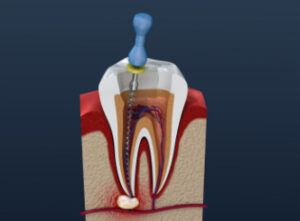
Each tooth has a crown and root. Your molars, the wider teeth at the back of your mouth used for chewing, can have more roots. Under the layers of enamel and dentine that make up the outer shell of your tooth, there is the pulp chamber. It’s here that the living cells, or “dental pulp,” are found.
The root canal system carries this dental pulp into the tooth's root.
How Do Root Canals Become Infected?
A root canal infection occurs when bacteria enter your tooth through a small opening in the enamel. Such openings are often caused by tooth decay—acid erosion brought about when plaque bacteria feed on sugar in your diet. In some cases, these openings are caused by trauma.
Once the bacteria are inside the tooth, they infect the dental pulp. As the pulp contains nerve endings, this type of infection is particularly painful.
What Are the Infected Root Canal Warning Signs?
When tooth decay causes cavities, you’ll feel some sensitivity and pain around the area. But how does the pain associated with root canal infections feel?
When your dental pulp becomes inflamed, you’ll experience pain and sensitivity whenever you eat or drink anything cold or hot. Whenever you bite or chew, the affected tooth will hurt. Your tooth may also feel loose.
But these symptoms will eventually go away on their own. It’s important to note that if this happens, it’s not a good thing. It means the pulp has died. Not only this, but the infection will continue spreading.
Eventually, the pain and sensitivity in the tooth will return. You’ll notice increased swelling in the nearby gum, jaw, and cheek, you may have pus oozing from the tooth, and the affected tooth may turn black.
Because cavities can lead to root canal infections, you should see us whenever you have a toothache.
How Do We Treat Root Canal Infections?
A root canal treatment involves removing all of the infected matter from inside your tooth. Before treatment, we’ll give you an anaesthetic so you won’t feel anything in the area. Once we’ve cleared out the bacteria, we’ll fill the area with gutta-percha, a natural latex-like substance.
After we’ve finished, we’ll close the hole in your tooth with a filling. Sometimes, we’ll suggest returning to have a crown placed another day.
Does Root Canal Treatment Hurt?
Say the words “root canal treatment” to lots of people, and they immediately feel afraid. But this type of treatment isn’t as scary as people think. We’ll give you an anaesthetic to help manage any pain.
The infection itself will cause considerably more pain than the treatment, and if left untreated, the pain will only worsen. After treatment, any pain associated with the infection will go away.
Root Canal Treatments at Harley Private Dental
If you’re experiencing a toothache, don’t wait around; get it treated quickly. We use the latest technology to assess whether you have a root canal infection, and our treatment techniques are reliable.
Call today to schedule your appointment.